Insulation Procurement Checklist for Distributors, Contractors, and EPC Companies
Good insulation procurement starts before the price request. When a buyer sends only a product name, the supplier may quote the wrong density, facing, size, or packing method. A clear checklist saves time and reduces technical risk for distributors, contractors, EPC companies, and industrial buyers.
1. Confirm the application
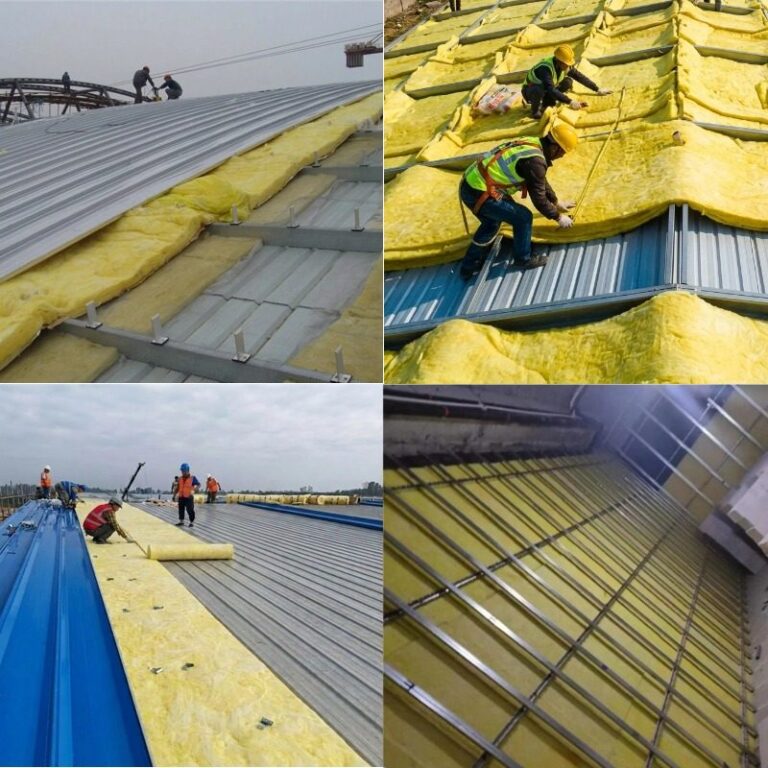
The same material category can be used in different ways. Glass wool may be selected for HVAC ducts, building roofs, acoustic walls, and general thermal insulation. Rock wool may be selected for facades, steel structures, fire-safe partitions, pipes, tanks, boilers, and high-temperature equipment.
- Building envelope: wall, roof, facade, steel structure, partition, acoustic area.
- HVAC: duct, air conditioning board, vapor barrier, sound absorption.
- Industrial: pipe, tank, equipment, boiler, kiln, power plant, petrochemical facility.
Application pages such as Steel Structure & Metal Building Insulation and Industrial Pipe, Tank & Equipment Insulation help narrow the choice.
2. Define the technical specification
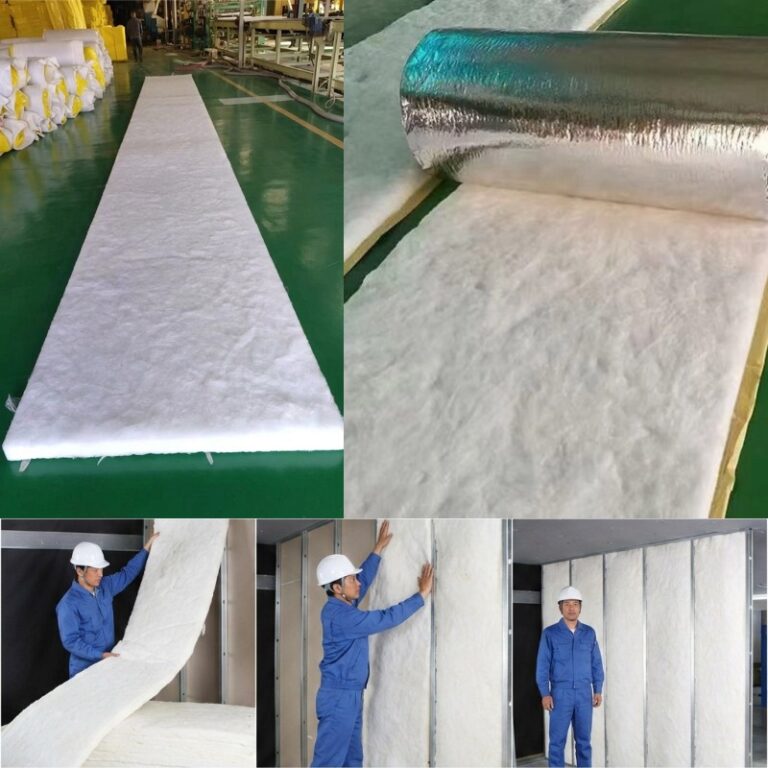
A complete specification should include density, thickness, width, length, facing, fire rating, temperature range, and any required standard or test report. For pipe insulation, also confirm the inner diameter and pipe outside diameter.
- Density: affects compression, rigidity, acoustic performance, and thermal resistance.
- Thickness: affects thermal performance and installation space.
- Facing: aluminum foil, kraft paper, wire mesh, glass cloth, or unfaced.
- Moisture requirement: hydrophobic rock wool or vapor barrier may be needed.
3. Check packaging and loading
Packaging affects freight cost and damage risk. Rolls can often be compressed. Boards, pipe sections, and high-density materials require more careful stacking. If the buyer sells under their own brand, confirm OEM label and bag printing early.
- Can products be compressed without damaging performance?
- How many packages fit in a 40HQ container?
- Can different products be mixed in one container?
- Is pallet packing required by the destination market?
4. Prepare documents and quality expectations
Project buyers may need product datasheets, test reports, packing lists, invoices, and origin documents. Do not assume every certificate applies to every product. Confirm the required standard before order confirmation.
5. Send a complete quotation request
For a faster response, include: product name, density, thickness, facing, size, quantity, destination, packaging, required documents, and expected delivery time. If the project is industrial, include operating temperature and application photos or drawings when possible.
FAQ
Can one container include several insulation products?
Yes, mixed loading can be discussed for glass wool and rock wool products when the packing and volume plan are suitable.
What is the most common reason for quotation delay?
The most common reason is an incomplete specification, especially missing density, thickness, facing, size, or application temperature.