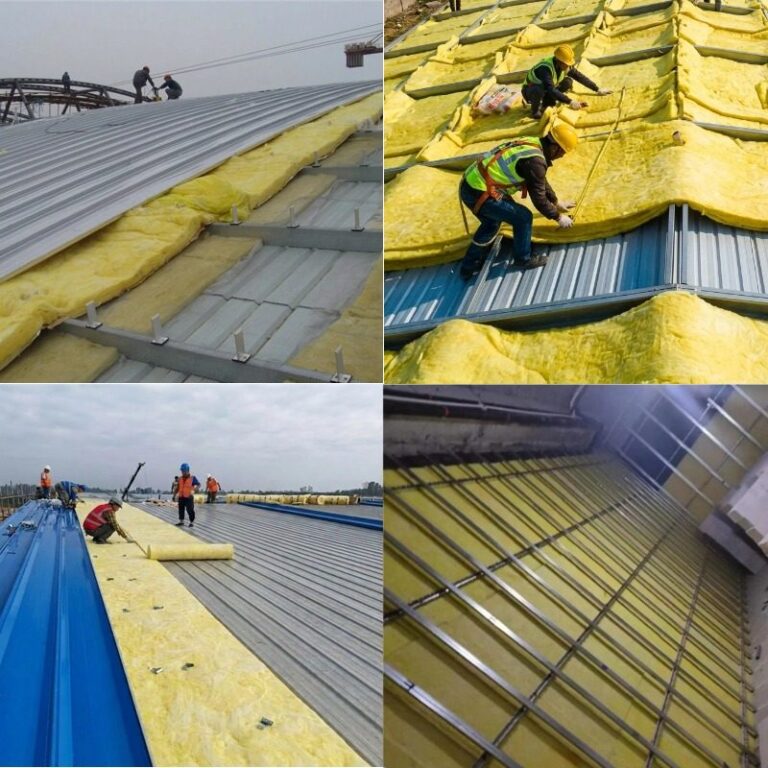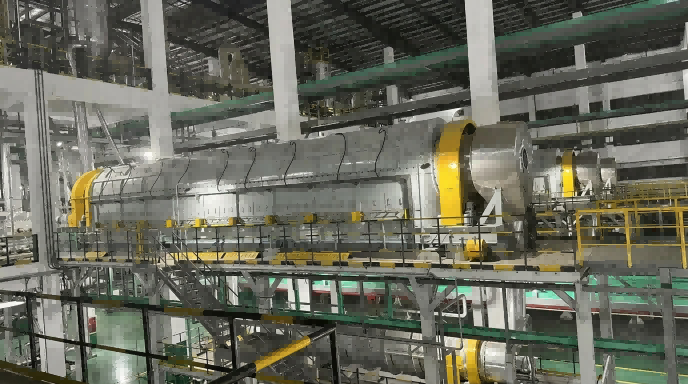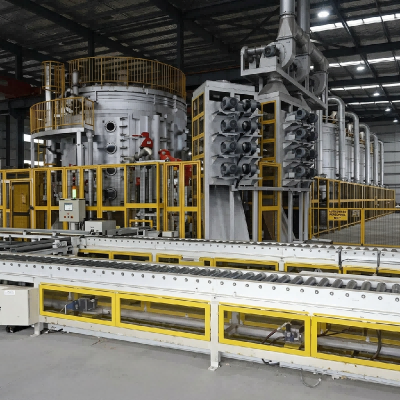
Rock Wool Exterior Wall Insulation — A Fire-Safe Foundation for Modern Facades
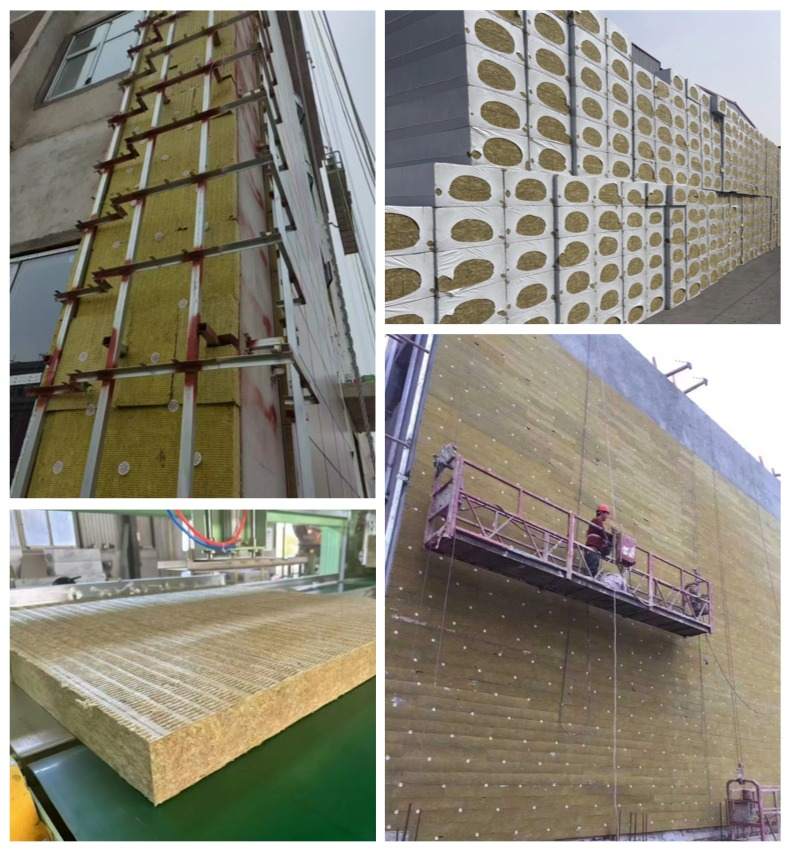
Rock Wool Exterior Wall Insulation — A Fire-Safe Foundation for Modern Facades
As cities grow taller and energy regulations tighten, exterior wall insulation has become a critical component of every modern building project. Yinliya rock wool exterior wall boards combine non-combustible fire safety, high thermal efficiency, and outstanding sound absorption — making them the preferred choice for high-rise residential, commercial, and public buildings worldwide.
Why Rock Wool for Exterior Walls
Manufactured from natural basalt fibers bonded with thermosetting resin and enhanced through pleating compression technology, Yinliya rock wool boards deliver a unique balance of strength, durability, and performance. With a Class A non-combustible fire rating (GB 8624 / EN 13501-1), they help prevent fire spread along building facades — a critical requirement for buildings above 27 m and a mandatory standard in many international markets. Their low thermal conductivity (≤0.040 W/(m·K)) reduces heat transfer, lowers HVAC energy consumption, and supports green-building certifications such as LEED, BREEAM, and WELL.
Where It Performs Best
Yinliya rock wool boards are widely used in External Thermal Insulation Composite Systems (ETICS), ventilated curtain-wall facades, rain-screen cladding, prefabricated wall panels, and fire-rated partition walls. Whether the project is a high-rise residential tower, a commercial office complex, a school, or a hospital, the boards integrate seamlessly with stucco, stone, metal, ceramic, and aluminum composite facade systems.
Built for Long-Term Performance
With a hydrophobic rate ≥98%, moisture absorption ≤1%, and dimensional stability under wind load and thermal cycling, Yinliya rock wool boards maintain insulation efficiency throughout the building lifecycle. The pleated structure resists delamination, while the high tensile strength (≥7.5 kPa) ensures secure anchoring on tall facades — delivering a safe, durable, and energy-efficient envelope for decades to come.